Shaly Foods Inc. imports Egyptian mangoes direct from growers and ships wholesale to
grocers, restaurants and distributors across Canada from its Vancouver base. Egypt is
the company's deepest supply line: eight mango varieties move through the season, sold
by the carton and pallet, not the piece.
Why the Egyptian season matters to a Canadian grocer
Most mango on a Canadian shelf arrives from Mexico, Peru or Brazil. Those origins ship
a narrow set of commercial varieties bred to survive long transit: thick skin, firm
flesh, reliable colour. They do the job, and they taste like a compromise.
Egypt grows something else. The varieties below are heirlooms and local selections that
never entered the global commodity trade, because most of them are too thin-skinned and
too aromatic to ship well through a broadline distributor's network. They reach Canada
when an importer buys them direct and moves them fast.
That is the whole reason Egypt is Shaly Foods' deepest supply line. For a grocer serving
Persian, Arab, Afghan or Turkish customers, these are the names those customers grew up
with and ask for by name. For a general grocer, they are a reason to charge more than the
case of Tommy Atkins sitting next to them.
The eight varieties
Availability
shifts week to week through the season, so request the current line sheet for what is
actually landing.
Owais
Mid to late season
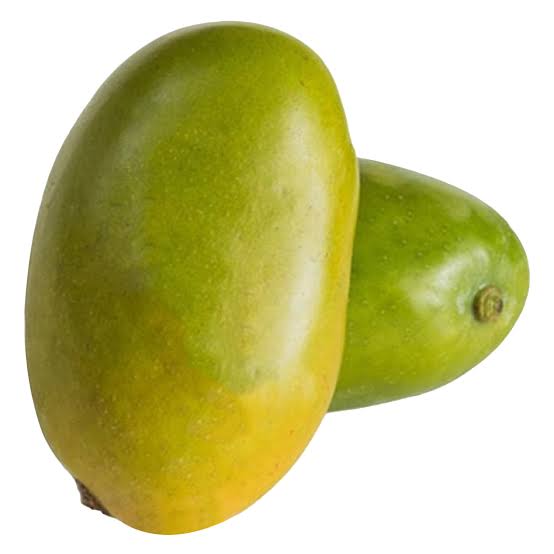
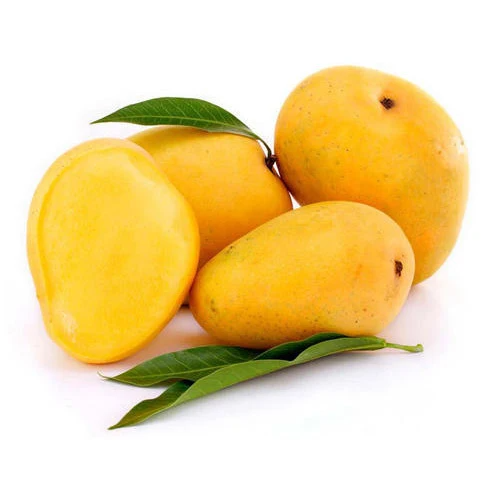
An Egyptian heirloom and the name Persian and Arab customers ask for first. Small to medium, elongated, with a thin skin that stays green-gold at full ripeness. The flesh is dense, fiberless and heavily perfumed. It sells on aroma, so put it where customers walk past rather than on a back shelf.
مانجو عويس · انبه عویس
Zebdya
Late season
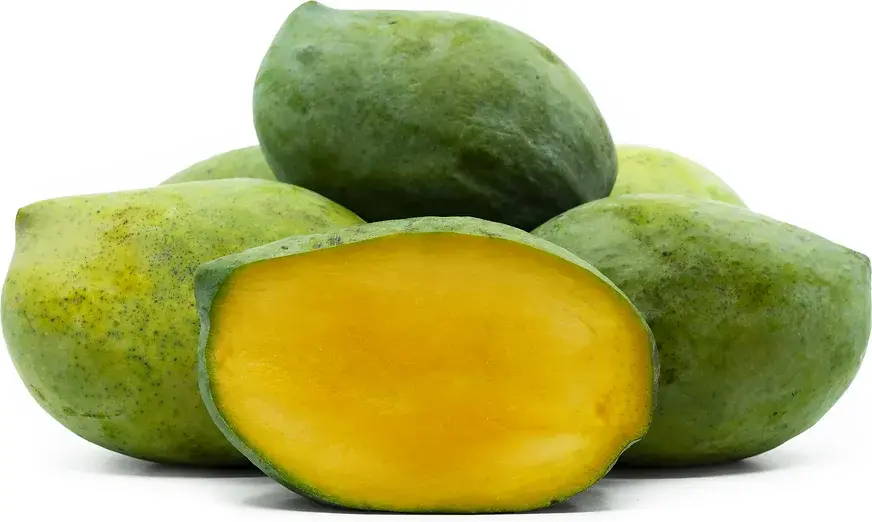
"Zebda" is Arabic for butter, and the flesh earns it: dense, completely fiberless, closer to custard than fruit. Kidney-shaped, and the skin stays green-yellow even when the fruit is fully ripe. That green skin costs grocers sales, because shoppers judge ripeness by colour. Put a sign on the display and it moves at the top of the range.
مانجو زبدية · انبه زبدیه
Taimour
Mid season
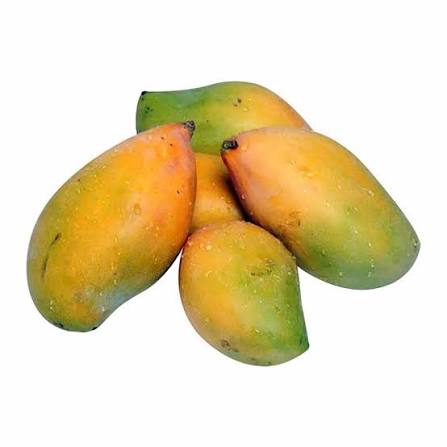
Rounded and heavier in the hand than Owais, with deep orange flesh, high sugar and very little fiber. The dependable middle of the Egyptian range. Good choice for a grocer who wants one Egyptian mango on the shelf through the whole season instead of rotating varieties every three weeks.
مانجو تيمور · انبه تیمور
Saddika
Mid season
Oval, medium-sized and thin-skinned, sweet with low fiber. It takes handling better than Owais, which makes it the safer pick for a busy self-serve display where customers pick fruit up and put it back.
مانجو صديقة · انبه صدیقه
Fons
Early to mid season
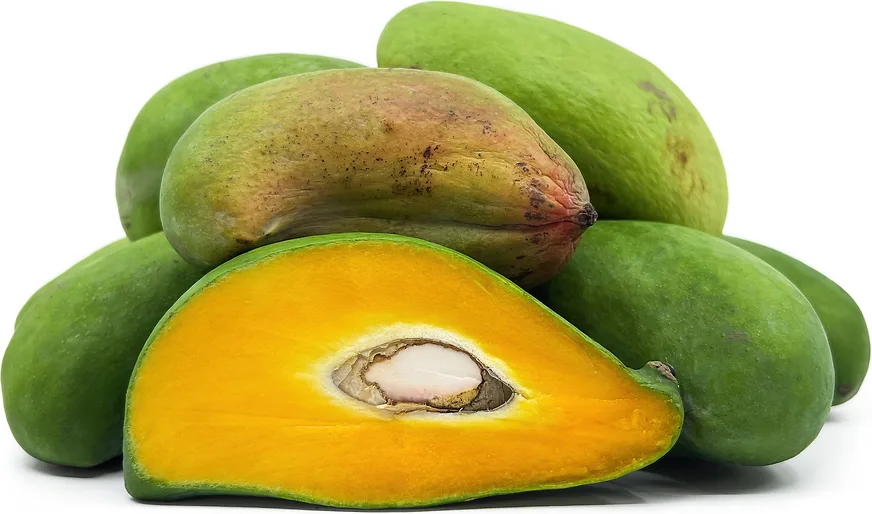
Slender and elongated, intensely sweet, strongly aromatic and fiberless. One of the first Egyptian varieties to land each year, which makes it the opener for accounts that want Egyptian fruit on the shelf before anyone else in their area has it.
مانجو فونس · انبه فونس
Naomi
Late season
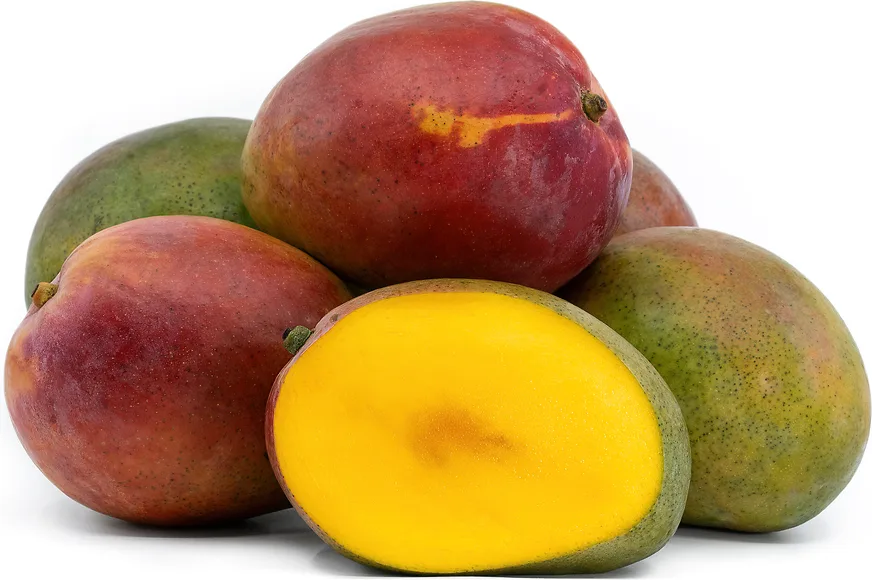
Large and oval with a red to purple blush over yellow, firm and fiberless. It holds up through longer transit far better than the thin-skinned heirlooms, so this is the variety to specify for Alberta and Prairie accounts moving on refrigerated LTL.
مانجو نعومي · انبه نعومی
Tommy Atkins
Early to mid season
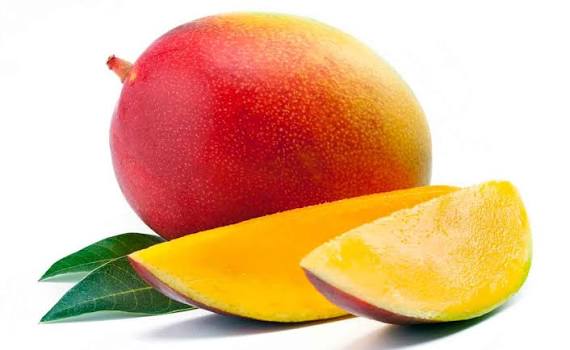
The commercial workhorse, grown in Egypt as it is everywhere else. Medium to large, oval, heavy red blush over a thick skin. Firm, with some fiber, and the longest shelf life in the range. Order it when the delivery run is long or the turn on the shelf is slow.
مانجو تومي أتكنز · انبه تامی اتکینز
Crimson
Mid to late season
Deep red blush over gold, with firm flesh that holds its shape when cut. That matters to a kitchen more than it matters to a retail shopper, so this is the food service pick: plated fruit, salads and anything diced ahead of service.
مانجو كريمسون · انبه کریمسون
Which variety to order for your account
Eight varieties is a lot of choice for a buyer who just wants mango on the shelf. This is
the short version of what Shaly Foods recommends, based on what the fruit is for.
If you are
Order
Because
A Persian, Arab or Afghan grocer whose customers ask by name
Owais, Zebdya
These are the two names customers came in looking for. Nothing else substitutes.
A general grocer wanting one mango all season
Taimour, Saddika
Consistent eating quality, long availability window, no customer education needed.
An Alberta or Prairie account on refrigerated LTL
Naomi, Tommy Atkins
Thicker skin and firmer flesh survive the extra days in transit.
A restaurant or food service kitchen
Crimson, Tommy Atkins
They hold their shape diced and prepped ahead of service.
Opening the season before your competition
Fons, Tommy Atkins
First Egyptian varieties to land each year.
Building a premium display at a premium price
Owais, Zebdya
Aroma and texture that no Mexican or Peruvian commodity variety matches.
Most accounts order a mixed pallet rather than committing to one variety. That covers the
customer asking for Zebdya by name and the customer who just wants a good mango, without
carrying eight separate lines.
How the Egyptian season runs
Egyptian mango lands in Canada across the back half of the year, and the varieties arrive
in sequence rather than all at once. The commercial types with thicker skin open the
season. The thin-skinned heirlooms close it.
Stage
Varieties
What to do with it
Season opening
Fons, Tommy Atkins
Get Egyptian fruit on the shelf first and set the price anchor for the season.
Peak
Taimour, Saddika, Owais, Crimson
Widest choice and the most volume. Build the display here.
Season close
Zebdya, Naomi
The premium end. Zebdya in particular sells at the top of the range.
Exact landing weeks move every year with the Egyptian harvest and the shipping calendar.
Shaly Foods does not publish a fixed season chart for that reason. The weekly line sheet
states what is on the water and what is already in the BC warehouse.
Handling, ripeness and shelf life
Two things cost grocers more mango than anything else: refrigerating it too cold, and
judging ripeness by colour.
Do not store below 10°C
Mango is a tropical fruit and suffers chilling injury under roughly 10°C when it is
still firm. The damage shows up as greyish patches under the skin, uneven ripening and
flat flavour, and it appears days later, after the fruit has left your cooler. A produce
cooler set for leafy greens will ruin a pallet of mango. Hold firm fruit at 10°C to
13°C and let it finish at room temperature.
Green skin does not mean unripe
Zebdya and Owais both stay green-gold at full ripeness. Customers squeeze them, decide
they are hard, and buy something else. Grocers who put a small sign on the display
explaining that these varieties ripen without turning red sell through noticeably faster.
Judge ripeness by a gentle give at the stem end and by smell, not by colour.
Rotate by variety, not by delivery date
Tommy Atkins and Naomi hold for days longer than Owais and Zebdya. Selling strictly
oldest-first means the thin-skinned premium fruit sits while the commercial fruit moves.
Front the heirlooms and let the firm varieties wait.
Which Egyptian mango variety is the best one?
Zebdya, if the question is about eating quality alone. The flesh is dense and completely fiberless and it carries the highest price in the Egyptian range for that reason. It is also late season, green-skinned at ripeness and thin-skinned, so it needs a grocer willing to explain it to customers. If the fruit has to survive a long delivery or sit on a self-serve display for a week, Naomi or Tommy Atkins is the better commercial answer.
Why are your mangoes green when they arrive?
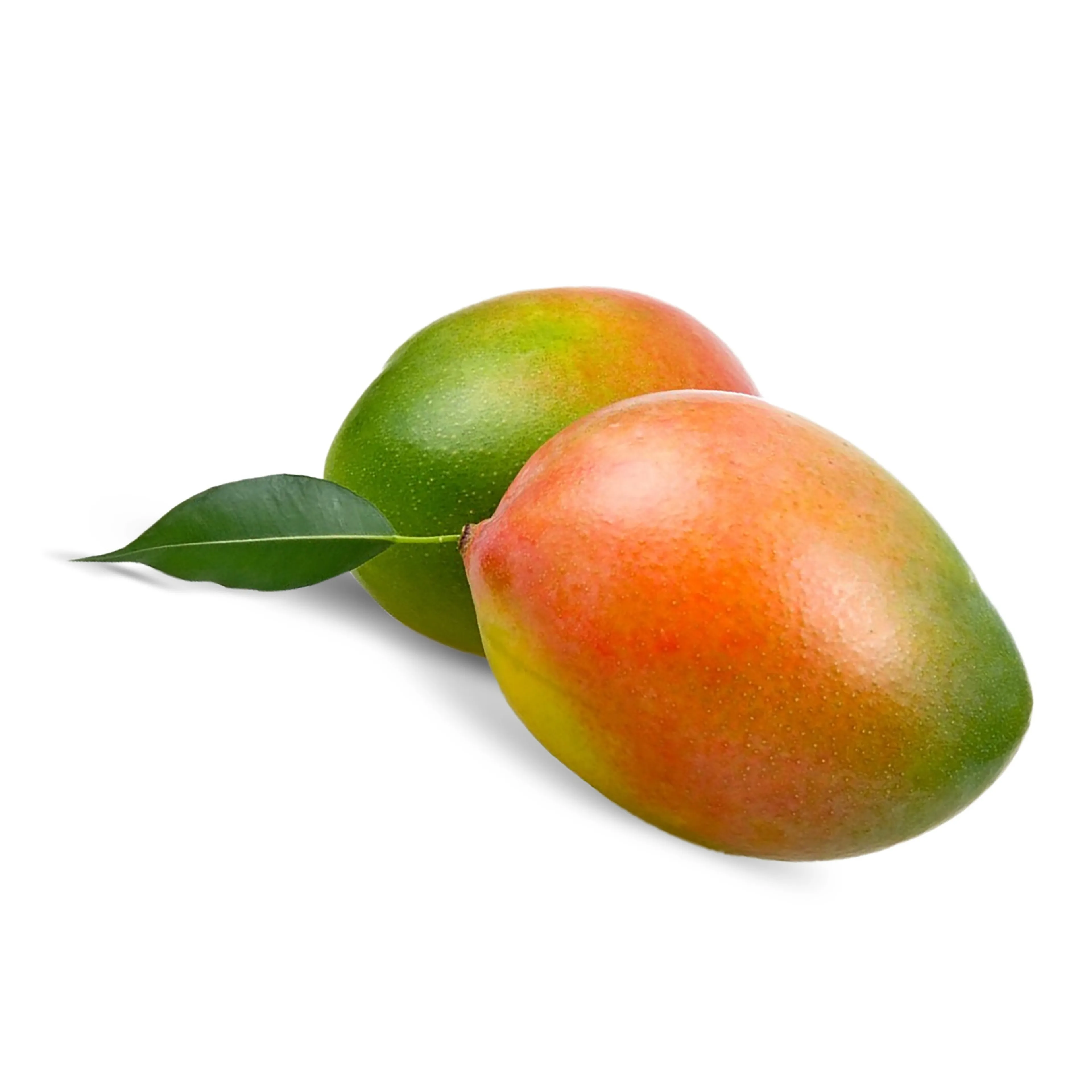
Because several Egyptian varieties ripen without turning red or orange. Owais stays green-gold and Zebdya stays green-yellow at full ripeness. Both are ready to eat while the skin still reads as unripe to a North American shopper. Check for a gentle give at the stem end and for aroma. Colour is not a ripeness signal on these varieties.
What temperature should I store wholesale mangoes at?
10°C to 13°C while the fruit is still firm. Below roughly 10°C, mango develops chilling injury: greyish patches under the skin, uneven ripening and flat flavour. The damage shows up days later, usually after the fruit is already on your shelf, so it gets blamed on the supplier rather than the cooler. Do not store mango at leafy-green temperatures.
Can I order a mixed pallet across varieties?
Yes, and most accounts do. A mixed pallet covers the customer asking for Zebdya by name and the customer who just wants a good mango, without carrying eight separate lines. It also makes the order minimum easy to hit without committing heavy volume to any one variety.
What does buying direct from an importer change?
Two things. Range and time. A broadline distributor carries the varieties that survive a long, multi-handler supply chain, which is why the mango in most Canadian wholesale catalogues is Tommy Atkins or Keitt. The Egyptian heirlooms are too thin-skinned and too aromatic to make that trip intact, so they only reach Canada when an importer buys them direct from the grower and moves them fast. Fewer hands on the fruit also means fewer days between the tree and your shelf. See direct importer vs broadline distributor for the full comparison.
Is there a minimum order for wholesale mangoes?
Yes: $300 to $500, depending on your shipping area. Mangoes come in eight varieties, so most accounts hit the minimum easily with a mixed order. No need to commit heavy volume to one variety just to qualify.
Do you sell mangoes to individual customers?
No. Mangoes ship wholesale only, to grocers, restaurants, food service and distributors buying to resell or serve. Shaly Foods doesn't sell individual cartons to home cooks or one-off shoppers.
How do I get current mango pricing?
Pricing isn't published, since the line sheet changes weekly with the season and shipping schedule. Request the current price list through the contact form and Shaly Foods will send what's actually landing, with pricing, usually the same business day.
Where does Shaly Foods ship wholesale mangoes?
Metro Vancouver on Shaly Foods' own trucks; BC Interior and Vancouver Island on scheduled routes; Alberta and the Prairies on refrigerated LTL and full pallets; Ontario and east for standing volume accounts.
Do you deliver Egyptian mangoes to Surrey, North Vancouver and Coquitlam?
Yes. Surrey, North Vancouver, Coquitlam, Port Moody, Burnaby and Richmond are all on Shaly Foods' standing Metro Vancouver delivery routes for Egyptian mangoes, alongside scheduled service to Vancouver Island, the BC Interior, and Calgary and Edmonton in Alberta.